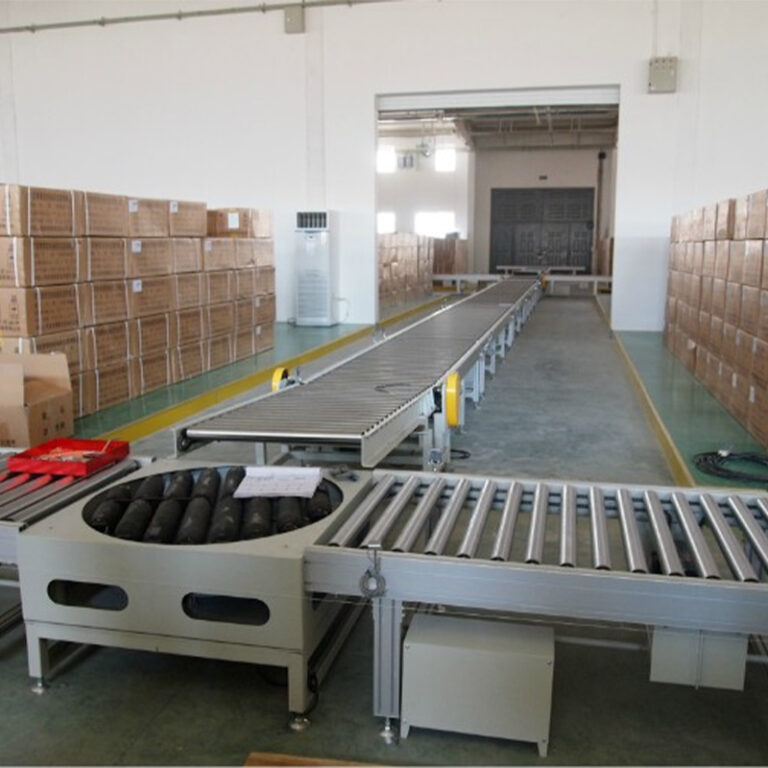
With the development of denser, more fragile, and high-value PCB assemblies, the demand for automated conveyor systems has also increased. Consistency and protection in handling have become important considerations, and automation ensures that every stage of the line operates in sync.
Key Stages in the Production of PCBA Using Automatic Conveyor Systems
1. Solder Paste Printing Stage
First, solder paste is laid onto the PCB. When the stencil printer is done, the board goes through an automatic conveyor system directly into the next machine, avoiding any kind of vibration or contamination that could affect the quality of the solder.
2. Pick-and-Place Stage
Boards here automatically feed into the pick-and-place area with accuracy, and timing is very important; high-speed mounting machines require stability in feeding. Several conveyors with buffer functions help to keep one machine going even when the next stops for a while.
3. Reflow Soldering Stage
Boards with mounted components go through a reflow oven. An integrated conveyor system adjusts the speed and temperature zone transitions. After reflow, an automatic conveyor transports cooled boards to inspection.
4. AOI & SPI (Automatic Optical Inspection and Solder Paste Inspection)
Precise positioning is the basis for all these stages of inspection. The automatic conveyor system orients the PCB correctly to the camera system for the capture of defects. Some systems use vacuum or clamp mechanisms for accuracy.
5. Functional Testing and Final Assembly
Material transfer conveyors automate the processes that link test fixtures to the end assembly points on the line. This conveyor system provides for manual intervention for some of the products by offering either a pause or providing ergonomic workstations for the operators.
6. Buffering, Sorting, and Reject Handling
During high-volume PCBA production, not all boards move at the same speed. Buffer conveyors temporarily store boards, while sorting conveyors automatically route passed and failed boards into different lanes.
Each of these steps shows just how deeply automatic conveyor systems are integrated into modern PCBA workflows.
Advantages of Using Automatic Conveyor Systems
Among others, some reasons manufacturers invest in automatic conveyors include the following measurable advantages:
- Improved Throughput: Continuous flow minimizes the time between machines that are idle.
- Reduced Damage Due to Handling: The delicate boards are treated gently without human touch.
- Consistent quality: Precise alignment and speed control maintain repeatability.It can be configured flexibly by adjusting the conveyor length, width, and pitch for different sizes of PCBs.
- Smart Lines Integration: The new systems allow for MES communication in order to track production in real time.
Put these together, and the result is faster turnaround, fewer defects, and better return on investment.
Automation, Flexibility, and Sustainability
Another strong point of an automatic conveyor system is its flexibility. The widths of conveyors can be automatically adjusted due to the changing sizes of electronic components and boards. Some use modular designs for speed and cost-effectiveness when reconfiguring a line.
Energy efficiency also continues to trend: Many systems today use low-power servo motors and standby modes that allow factories to cut energy consumption without sacrificing performance.
Smart factories feature automatic conveyor systems at the heart of “lights-out” production, where a factory can function just about without human supervision. Conveyors can detect jams, count products, report maintenance needs, and much else through their connections to AI-driven software.
SZJK’s Advantages
SZJK is a reliable provider of automation solutions, offering advanced automated conveyor systems.
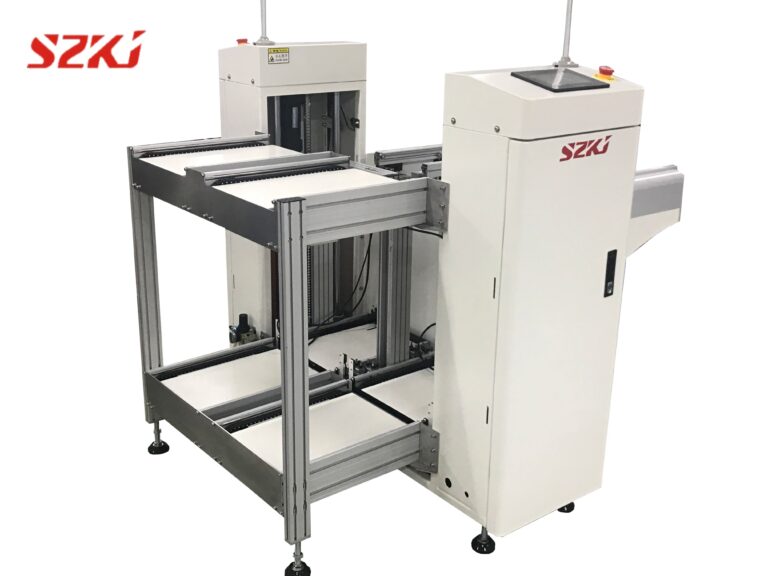
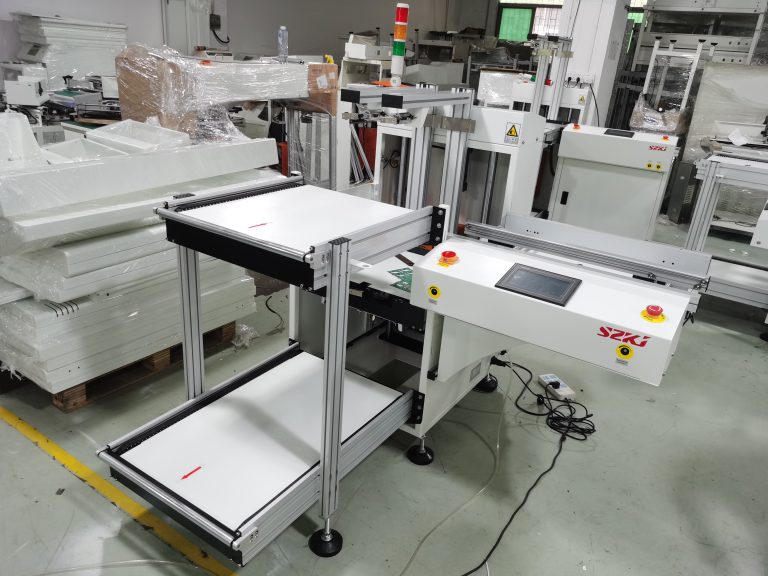
Products such as the VL-300W-SZ Automatic SMT Vacuum Loader PCB Stacker Destacker, featuring multiple audible and visual alarms and board suction capabilities, prioritize stable and precise conveying.
SZJK systems utilize long-life conveyor belts, adjustable guides, and integrated sensors to ensure accurate board positioning. Their modular configuration caters to both small-scale prototyping and mass production needs, ultimately resulting in a smoother, smarter, and safer production process.
Practical Aspects of Using an Automatic Conveyor System
The following are some aspects one may have in mind before using an automatic conveyor at the PCBA line:
- Line Layout: Knowing the spacing between machines means the conveyors fit and work.
- Board Size and Weight: Conveyors must support the maximum board dimensions and not warp.
- Speed Synchronization: Machines and conveyors should communicate effectively to avoid bottlenecks.
- Maintenance Accessibility: Belts, sensors, and motors are among the components that should be easy to service. Proper planning will ensure the conveyor works well with other automated systems.
Conclusion
Automated conveyor systems are far more than just transportation tools; they are the link connecting all stages of PCBA production, from soldering and printing to testing, ensuring precision and efficiency throughout the process. They guarantee a smooth transition and stable output across the entire production line.
Welcome to visit the SZJK official website to view your favorite products of this type.