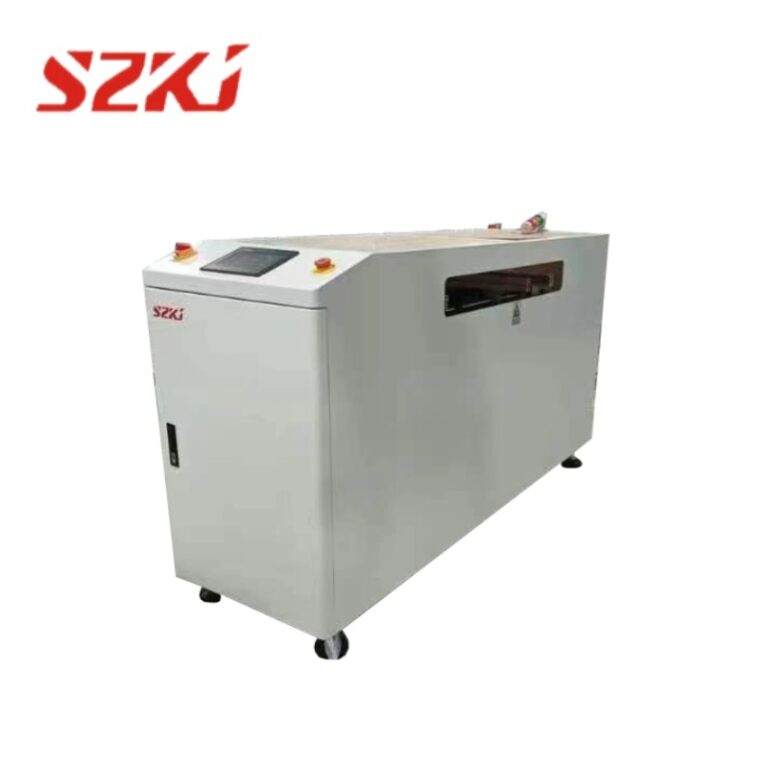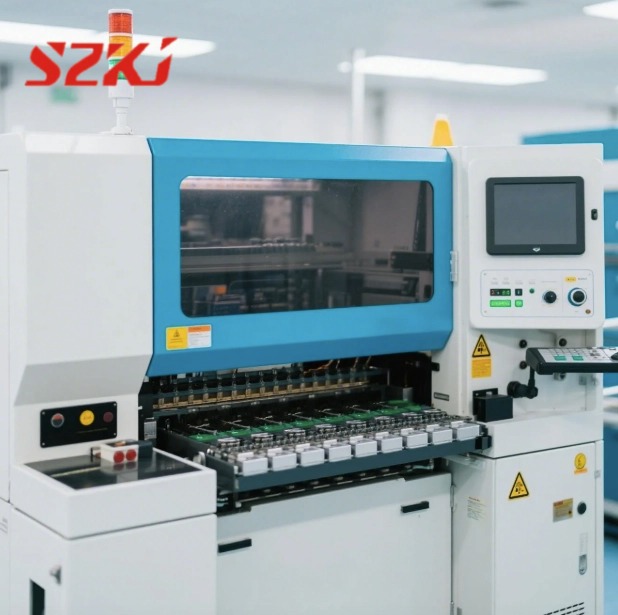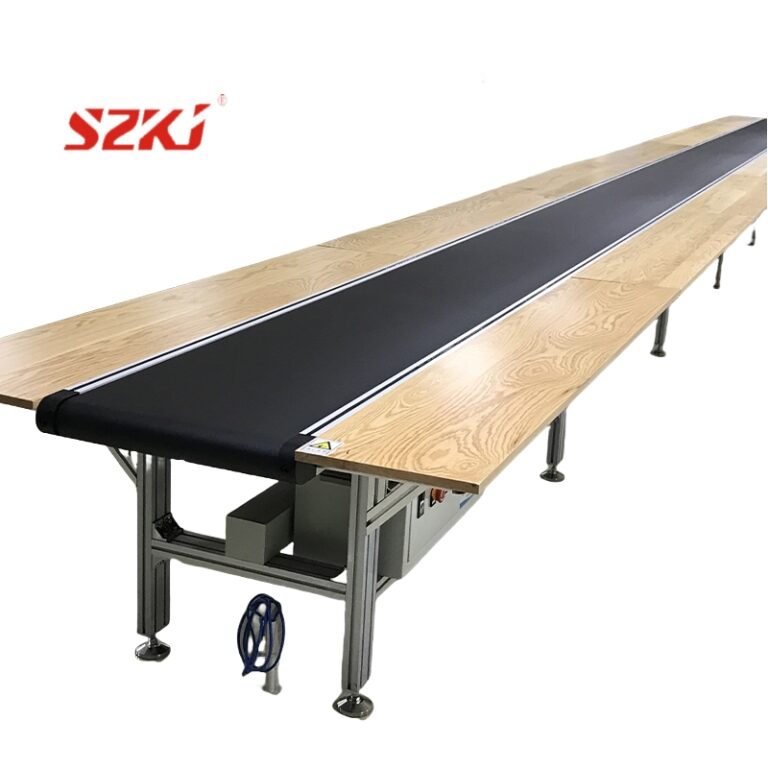
A pcb unloader is the final stage of many SMT and AI production lines. Instead of workers manually collecting completed PCBs, the unloader receives each board from an upstream conveyor and stores it safely inside a magazine. A pusher moves the PCB into the magazine slot, and then the magazine automatically indexes to the next position for the following board.
What a PCB Unloader Actually Does
- Prevents PCB bending, scratching, and static exposure that occur during manual handling.
- Keeps the line continuous, ensuring the last process never becomes a bottleneck.
- Organizes finished PCBs, making downstream inspection or packaging easier.
As demand for higher throughput grows, a pcb unloader is no longer optional—it is part of the basic infrastructure in automated manufacturing plants.
How a PCB Unloader Works: Core Components Explained
While models vary, most pcb unloader designs share a similar set of hardware functions. Understanding these helps users select the right machine for their line.
1. Conveyor + Pusher Mechanism
As a PCB arrives, the conveyor takes it in. A specially designed pusher gently moves it into the correct magazine slot. Correct pusher alignment is important—it avoids edge chipping and warped board damage.
2. Magazine Indexing
Once the PCB is inside, a motor system rotates or lifts the magazine to the next available position. Accurate indexing guarantees every PCB is placed exactly where it needs to be.
3. Control System
Most unloaders support auto/manual modes, pitch selection (often 10–80 mm), PCB counting, and fault alarms. This makes the pcb unloader easy to monitor and adjust.
4. Safety & ESD Protection
A full safety cover, ESD-safe belts, and controlled speed prevent board damage and reduce operator risk. These features are essential in high-volume consumer electronics manufacturing.
Each function reinforces the goal of a pcb unloader—translate airborne PCBs from upstream machines into neatly stored, undamaged boards.
Example Model: UL-300L-SZ Multi Magazine Unloader
To understand how these features come together, this model provides a practical case. It represents the type of pcb unloader that fits most modern SMT lines.
Key Specifications & Features

- Applications: Works with SMT and AI production lines
- The PCB is received, aligned, pushed, and indexed without operator intervention.
- Safety design prevents cracked corners or misalignment scratches.
- Automatic counting and fault alarms help maintenance teams react quickly.
- Ideal for full-automation factories upgrading from manual unloading.
Where PCB Unloaders Are Used
A pcb unloader appears anywhere mass PCB production exists. Typical environments include:
- Consumer electronics factories
- Automotive electronics
- Medical instrument circuit assembly
- Industrial control board production
- Smart home device lines
- AI-driven assembly systems that require consistent material flow
The unloader ensures PCBs move cleanly from reflow, AOI, wave soldering, conformal coating, or other final inspection points.
How to Choose the Right PCB Unloader
When selecting a pcb unloader, compare the following factors:
- Magazine compatibility: Ensure it matches the magazine size already used in your factory.
- Pitch selection range: Wider pitch ranges support more board types.
- Conveyor height: Must match existing SMT equipment.
- Pusher precision: Misalignment can ruin PCBs.
- Safety covers and ESD design: Essential for long-term reliability.
Even experienced engineers follow these criteria to ensure the unloader fits both current and future lines.
Common Questions About PCB Unloaders
1. Can one PCB unloader handle different PCB sizes?
Yes. Most models include adjustable rails and multiple pitch settings.
2 .Do unloaders require regular maintenance?
Only simple checks: belt cleaning, sensor verification, and lubrication of moving parts.
3. Can I connect a PCB unloader to non-SMT equipment?
Yes. Many factories integrate them with AI plug-in machines, inspection stations, and coating equipment.
Conclusion
A pcb unloader is a practical and essential tool for maintaining smooth, automated SMT and AI production. It protects completed boards, reduces handling risks, and keeps the line running at a steady pace. SZJK offers PCB unloaders such as the UL-300L-SZ model to improve the efficiency of your production line.