Seconds count in the production of electronics. The key to ensuring efficiency in production is having printed circuit boards (PCBs) move effortlessly and successfully from machine to machine. A PCB Flipper Conveyor is built for the job by doing not only that, but also flipping the PCBs if needed. Regular conveyors only deliver the boards in one direction, which makes them less versatile. Knowing the difference between the two helps factories find the best solution for their production line.

I. What is a PCB Flipper Conveyor?
- Old Conveyor Fundamentals
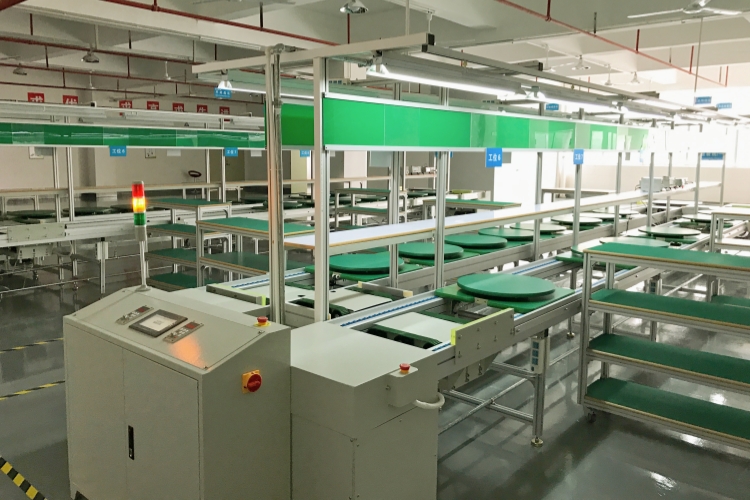
Old conveyors are straightforward. They convey boards from A to B. They are cheap and robust, but they will not flip or turn the boards. For single-sided PCB assembly, this might be sufficient.
- PCB Flipper Conveyorin Fundamentals
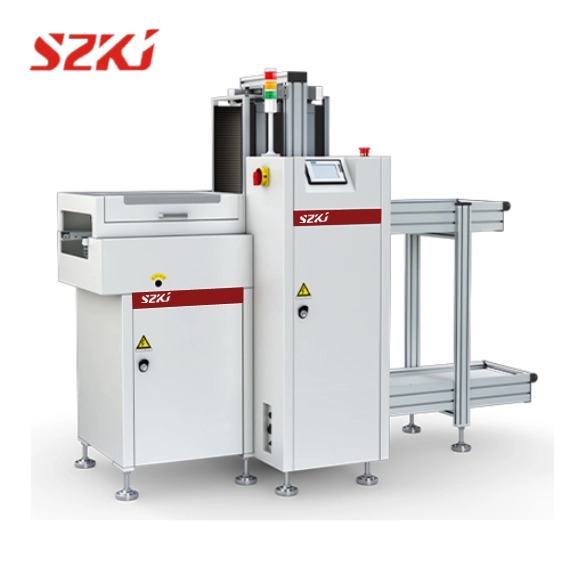
A PCB Flipper Conveyor can do more. It does not just transfer PCBs but automatically flips them over so both sides can be populated. In a high-level SMT line where multiple devices need to be double-sided mounted, it saves time as well as eliminates manual handling. For example, a single PCB Flipper Conveyor can cut handling time by as much as 30% compared with traditional systems.
II. Main Differences Between PCB Flipper Conveyor and Conventional Conveyor
- Flexibility
Conventional Conveyor: Can only be utilized to move boards in a single direction. Flipping has to be done by employees or other equipment.
PCB Flipper Conveyor: Flips and moves boards automatically, which is ideal for double-sided PCB assembly.
- Precision
A PCB Flipper Conveyor utilizes stepper motors, which turn boards with ±0.1mm precision. The standard conveyor lacks this level of precision and hence causes defects while working with very small components.
- Velocity
The standard conveyor operates at a standard speed of 0.5–1.0 meters per second. PCB Flipper Conveyors allow for speed control, and productivity increases by 15–25%.
- Space Saving
Since PCB Flipper Conveyors combine flipping and conveying in a single device, they are space-saving. Factories can conserve up to 20% floor space compared to dedicated units.
III. Where Are PCB Flipper Conveyors Used?
- Double-Sided PCB Assembly
Essential in smartphones, tablets, and IoT devices that use both sides of the board.
- High-Precision Industries
In medical equipment or aerospace electronics, where one small error will cause problems, the consistent performance of a PCB Flipper Conveyor ensures quality.
- Large Production Lines
Large-scale production plants making more than 10,000 boards a day use PCB Flipper Conveyors to keep production rates up while reducing labor costs.
IV. SZKJ PCB Flipper Conveyor: Smarter PCB Handling
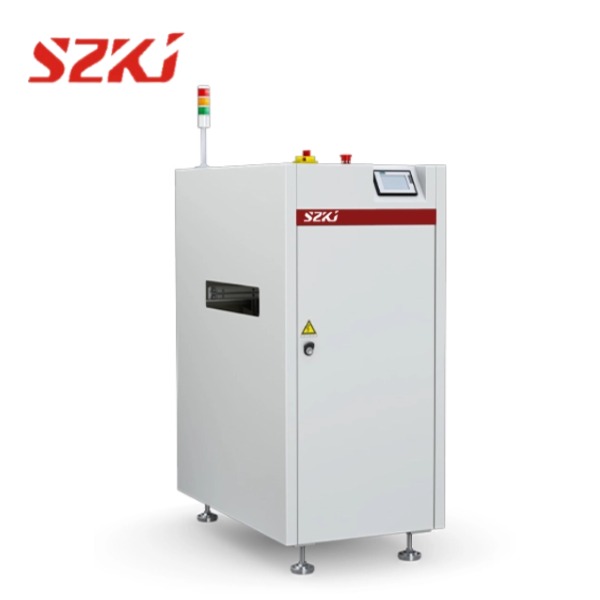
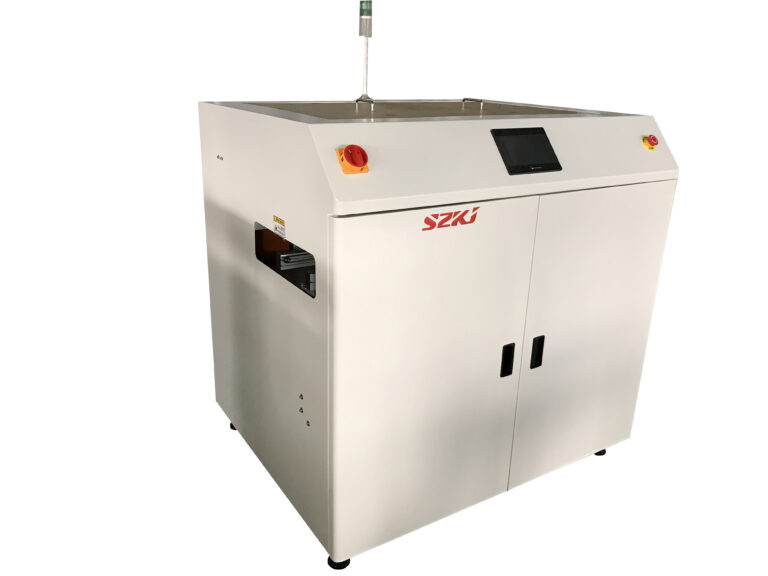
SZKJ IM-250W-SZ PCB Flipper Conveyor is a good model of high-grade PCB handling equipment. It is strong for application in SMT manufacturing lines and provides protection and accuracy.
Main Features:
- Panasonic PLC Control: Provides effective and accurate control.
- Two Modes: Bypass (no flip) or inverter mode (flip), for flexibility.
- Closed-Loop Stepper Motor: Provides accurate and smooth rotation.
- Adjustable Height: Can be mounted into different SMT line configurations.
- Long-Lasting Conveyor Belt: Smooth and safe transfer of PCBs.
- Component Space: Handles boards of any thickness.
- CE Certified: Meets world safety standards.

The conveyor enables manufacturers to conserve time, reduce risk, and enhance the production flow.
V. Why Choose a PCB Flipper Conveyor to Use for Years?
- Cost Efficiency
Although it costs 15–20% more to purchase in the first instance than a standard conveyor, a PCB Flipper Conveyor will save labour costs up to 40% per annum by not being manually handled.
- Increased Safety
No manual flipping eliminates the risk of damaging fragile boards.
- Easy Scalability
With increased production, the conveyor can scale with upgrades, rather than standard systems, which will probably need to be replaced.
Conclusion
An ordinary conveyor will do for simple, single-sided boards. But for double-sided assembly, precision, and speed, the PCB Flipper Conveyor is obviously the way to go. It saves time, cuts labor, enhances quality, and increases production versatility. For any business that wants to remain competitive in contemporary electronics manufacturing, the PCB Flipper Conveyor is an investment worth making — and SZKJ provides reliable, high-quality solutions you can trust.