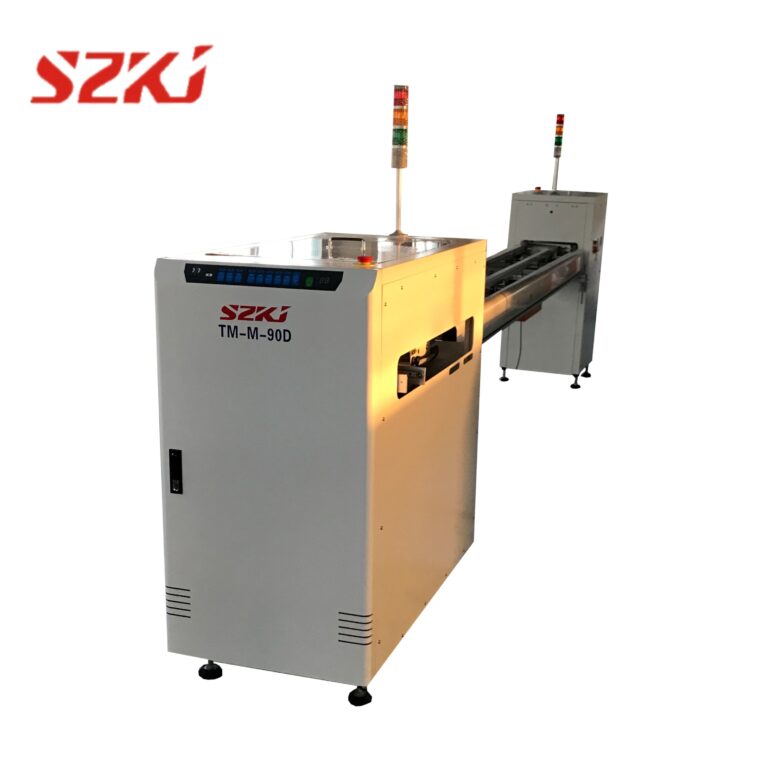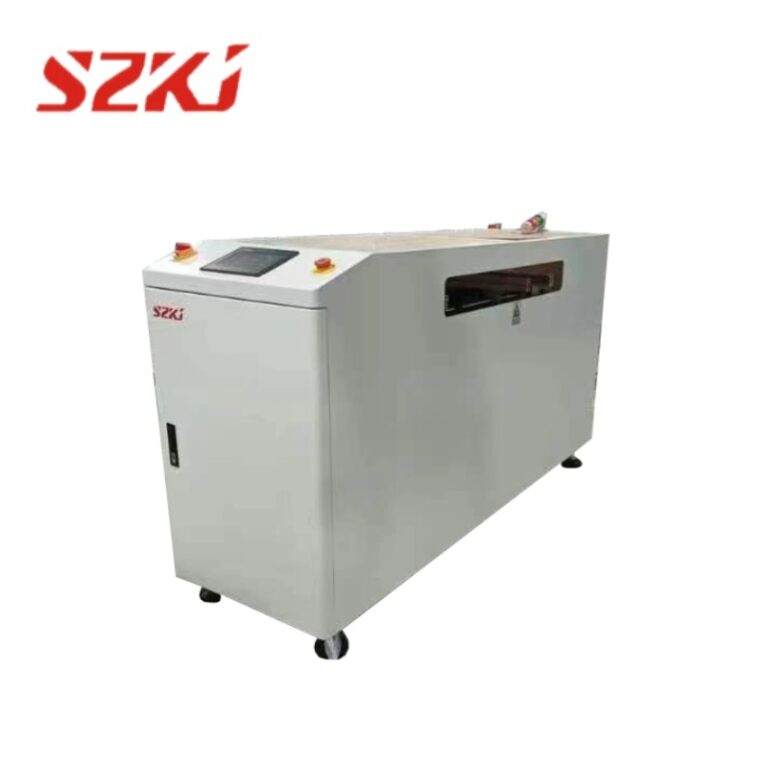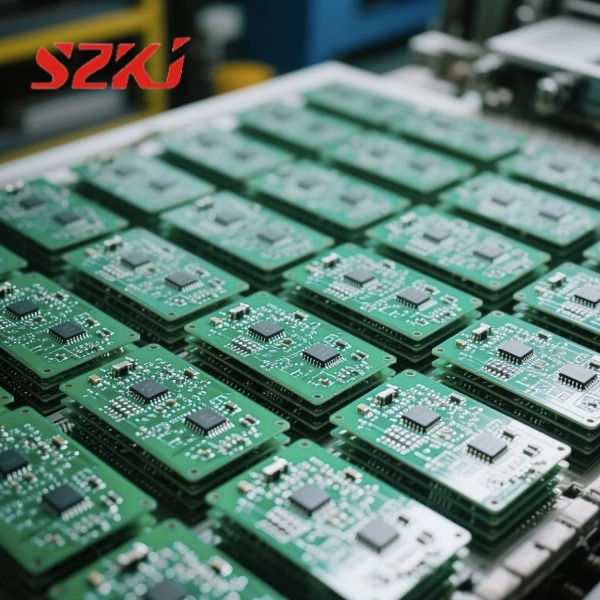
SMT equipment refers to the technology used to directly attach electronic components to the surface of printed circuit boards (PCBs). SMT technology has replaced traditional through-hole placement in most modern electronic products because it can accommodate more components, assemble faster, and provide higher reliability.
A standard SMT production line typically consists of a screen printer, a placement machine, a reflow oven, and inspection equipment. However, the performance of these basic machines is ultimately determined by a suite of auxiliary SMT equipment, which assists with feeding, handling, inspection, and storage.
These auxiliary systems may not be the most visible components on the production line, but they are essential for improving production yields and achieving repeatable product quality.
Major Types of SMT Ancillary Equipment
Today, assembly is more than just inserting parts into the production line; it involves controlling the entire process from top to bottom. Some of the most important types of SMT ancillary equipment, serving as secondary equipment in the production line, include:
1. PCB Loaders and Unloaders
These machines transport printed circuit boards in and out of the production line. Unloaders collect finished boards at the end of the process, while PCB loaders deliver bare boards to the production line.
By reducing manual labor, these SMT machine components minimize damage, improve efficiency, and maintain an uninterrupted production flow.
2. Conveyors and Buffers
Conveyors are the backbone of SMT production lines, transporting PCBs between equipment. Buffers temporarily store boards in a waiting queue until they are available for downstream equipment, maintaining a smooth flow and preventing bottlenecks. Buffers work together to ensure a smooth, uninterrupted assembly process.
3. PCB Racks and Storage Systems
During the manufacturing process, appropriate storage units are essential to protect circuit boards and components. Automated storage and racking ensure that PCBs are protected from electrostatic discharge and physical contact, maintaining quality throughout the assembly process.
4. SMT Feeders and Carts
Feeders move components from reels or trays to placement machines. High-capacity feeders provide high component placement accuracy and minimize downtime caused by jammed or improperly fed components. Feeder carts allow for easy component replacement and keep components neatly aligned, maximizing line efficiency.
5. Inspection and Cleaning Machines
Before products are sent to downstream processing, solder joints need to be inspected to detect defects. SMT equipment used to improve product reliability and avoid rework costs includes solder paste inspection (SPI) machines, automated optical inspection (AOI) machines, and cleaning stations.
6. PCB Handling Systems and Curve Conveyors
This auxiliary equipment allows circuit boards to bend, merge with other lines, or move between levels in a multi-layer assembly line. Handling systems provide layout flexibility, allowing manufacturers to adapt their assembly lines to changing circumstances.
You can search here for a range of auxiliary SMT equipment that can power today’s assembly lines. This equipment is designed to easily integrate into existing lines, improving efficiency without requiring major overhauls.
How Auxiliary SMT Equipment Improves Efficiency
While basic SMT equipment handles the bulk of component loading and soldering onto circuit boards, auxiliary equipment provides high-value support functions and logistics to keep the line running. The benefits of high-quality support systems include:
- Smoother workflow: Conveyors, loaders, and buffers facilitate the continuous movement of circuit boards, reducing downtime and bottlenecks.
- Better quality control: Cleaning machines and inspection systems detect defects early, avoiding costly rework later.
- Faster line changeovers: Storage units and feeder carts enable faster changeovers between production batches, increasing flexibility.
- Reduced labor costs: Automated handling and transfer machines minimize labor requirements and lower operating costs.
- Scalability and flexibility: Changing production needs can be met with simple reconfiguration or the addition of modular support equipment, without requiring capital investment.
These features make secondary SMT equipment particularly valuable for manufacturers looking to increase production without significant capital investment.
Applicable to Multiple Industries
Today, SMT equipment is used in nearly every sector of the electronics industry. In consumer electronics, it enables the mass production of tiny, complex circuit boards used in smartphones, tablets, and smart appliances.
- In the automotive industry, it produces driver assistance systems (ADAS), sensors, and infotainment modules.
- Industrial control systems, medical devices, telecommunications hardware, and IoT devices all rely heavily on SMT assembly, necessitating ancillary equipment to improve production efficiency and accuracy.
As product size decreases and complexity increases, the demand for advanced SMT solutions and ancillary equipment will continue to grow.
Conclusion
As manufacturing technology advances, the demand for flexible and reliable SMT equipment is growing.
SZKJ specializes in manufacturing customized ancillary equipment designed to support, not replace, established production lines. Our UL-400LL-SZ Automatic PCB Magazine Unloader for SMT Manufacturing is designed for precision, reliability, and compatibility, easily integrating into standard SMT equipment.
By investing in advanced supporting equipment, manufacturers can streamline processes, reduce downtime, optimize product quality, and rapidly evolve to meet changing production demands. With a trusted partner like SZKJ, businesses can leverage the tools they need to stay ahead in this ever-changing environment.