An electronic assembly line is a major component of the electronics product manufacturing process, like consumer electronics, industrial machinery, etc. It facilitates effective manufacturing, minimal human mistakes, and cost efficiency in terms of better quality production at lower costs.
In this article, we will explore how an electronic assembly line works, what its key components are, what its benefits are, and how companies can make the best use of it so that they can improve their production system.
Understanding the Electronic Assembly Line
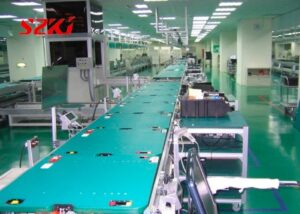
By definition, an electronic assembly line is a collection of machinery and tools computer-programmed to assemble electronic parts systematically and efficiently. These lines are used to produce all manner of products such as circuit boards, cell phones, televisions, and other types of electrical equipment.
An electronic assembly line would typically consist of special stations for specific operations like component placement, soldering, testing, inspection, and packaging. There is equipment at each station that reduces manhandling but increases accuracy and speed.
Electronic assembly lines today also have software and control systems to enable it to be possible for the manufacturer to monitor production in real time, detect any potential problems at an early stage, and ensure product quality up to a standard level.
Components of an Electronic Assembly Line
The complexity of an electronic assembly line depends on the type of product being assembled. However, the fundamental components of any assembly line are:
Component Placement: PCAs, such as pick-and-place robots, are employed to place minute components on the PCB with extremely high precision. It is the most important step, and even minimal misplacement of components will have an impact on the product’s functionality.
- Soldering: After components are mounted on the PCB, they need to be soldered so that they will only then remain properly in their positions. Soldering can even be done by hand, although most electronic assembly plants in modern times use automatic soldering machines, such as wave soldering or reflow soldering machines, in a bid to improve precision and efficiency.
- Testing: After the product has been developed, it is extensively tested to ensure that everything is functioning as it should. Automated testing equipment is used to check for the functionality of the product efficiently, checking for items such as voltage levels, signal strength, and response times.
- Inspection: High-speed AOI machines or vision inspection systems are normally employed to identify defects in the assembly line. They can identify faults such as soldering faults, misaligned or misplaced parts.
- Packaging: Once all the products have gone through the quality checks, it is packaged and dispatched. Labeling for boxing is handled by automatic packaging machinery, keeping human contact to a minimum.
Advantages of an Electronic Assembly Line
The major benefits of an electronic assembly line are efficiency, standardization, and scalability. The major benefits that can be gained by companies because of the establishment of an automated assembly line are as follows:
- Improved Productivity: Using automation, one can guarantee production daily on 24/7 if required, which provides more amounts of output. It is most important for those organizations that require meeting high demand with brief manufacturing hours.
- Greater Precision and Accuracy: Automation eliminates man-made errors, thus every item is put together exactly as intended. Accuracy is significant in companies such as the electronics sector, where a tiny error leads to a defective item.
- Lower Labor Cost: Since most of the labor that was being done manually is now being done by machines, companies can reduce labor costs. Even though computer-based assembly line systems cost a lot to purchase, saving in the long run can be colossus.
- Improved Quality of the Product: An electronic assembly line ensures standardized quality products. The computer-controlled machines can keep track of every stage of assembly and detect defects before products are sold.
- Flexibility: Electronics assembly line solution providers are able to create systems that adapt to changing production needs. This flexibility allows manufacturers to avoid expending significant effort to change product lines or adjust to changing circumstances.
How to Optimize Your Electronic Assembly Line
To make the best use of an electronic assembly line, each phase of the process shall have to be maximized. Below are some tips for optimizing your manufacturing line’s efficiency and performance:
- Installation of Advanced Automation Technologies: Advanced automation technologies such as artificial intelligence (AI), machine learning, and robotics can be installed in your electronic assembly line to increase productivity. For instance, robots have been shown to execute complex tasks more accurately than human labor, saving errors and increasing throughput.
- Streamline Workflow: Your assembly line layout may affect efficiency. Place every station where it is logical in order to reduce downtime and prevent parts from having to go too far between stages. Streamlining workflow can save production time in staggering amounts.
- Implementing Real-Time Monitoring Systems: Placing real-time monitoring software to monitor production data in real-time allows you to track key performance indicators, identify bottlenecks, and make more informed decisions. SZKJ implements real-time monitoring systems that allow producers to track the performance of the production line.
- Invest in Quality Control: Inspection and test equipment can potentially find faults earlier, so that you can fix them before they become major faults. Investing in quality inspection equipment guarantees that you only export the best-quality products out of your assembly line.
- Regular Maintenance: Regular proper maintenance is one of the major considerations that will ensure your electronic assembly line remains in working order. Schedule routine check-ups to make sure everything in the machines is in tip-top working order to prevent costly downtimes and repair work.
Applications of Electronic Assembly Lines
Electronic assembly lines are versatile and, as such, are applied in numerous other industries. Some of the most common applications include:
- Consumer Electronics: There is extensive application of automated production lines in producing smartphones, tablets, laptops, and other consumer electronics. The precision and speed of automated systems ensure that the like products are of the required quality, as well as highly sought after.
- Automotive Electronics: With the use of electronics in automobiles gaining momentum, whether it be entertainment systems or driver assistance programs (ADAS), the auto industry turns more and more to electronic assembly lines for low-cost mass production of electronic parts.
- Medical Devices: Quality and accuracy of precision are most critical in healthcare, and electronic assembly lines provide it with pacemakers, diagnostic devices, and sensors being produced with utmost care and precision.
- Industrial Equipment: Electronic assembly lines are employed to produce components of industrial equipment, including sensors, controllers, and monitoring systems. Manufacturing is made automatic in order to enhance the product quality and reduce the manufacturing time.
Summary
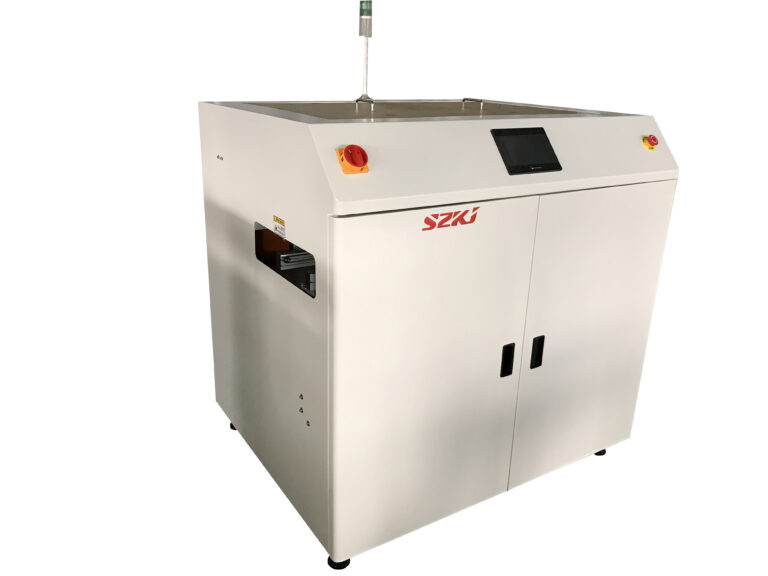
With SZKJ as your trusted partner in electronic assembly line solutions, you gain access to advanced supporting equipment designed to enhance automation across various industries. Whether you aim to boost production capacity, improve product quality, or reduce labour costs, SZKJ provides innovative machines that integrate seamlessly into your existing production line.
If you need supporting products for your electronic assembly line, please contact SZKJ immediately to learn how our professional team can provide reliable, high-performance supporting solutions to suit your production line.