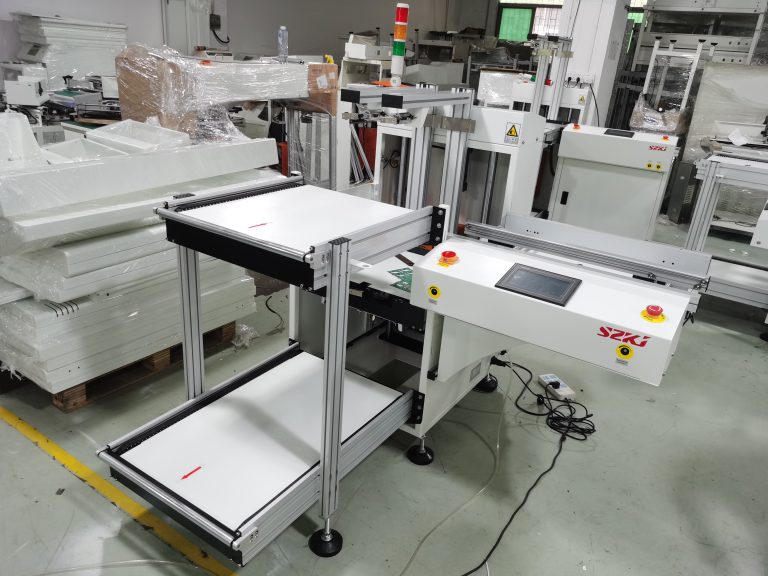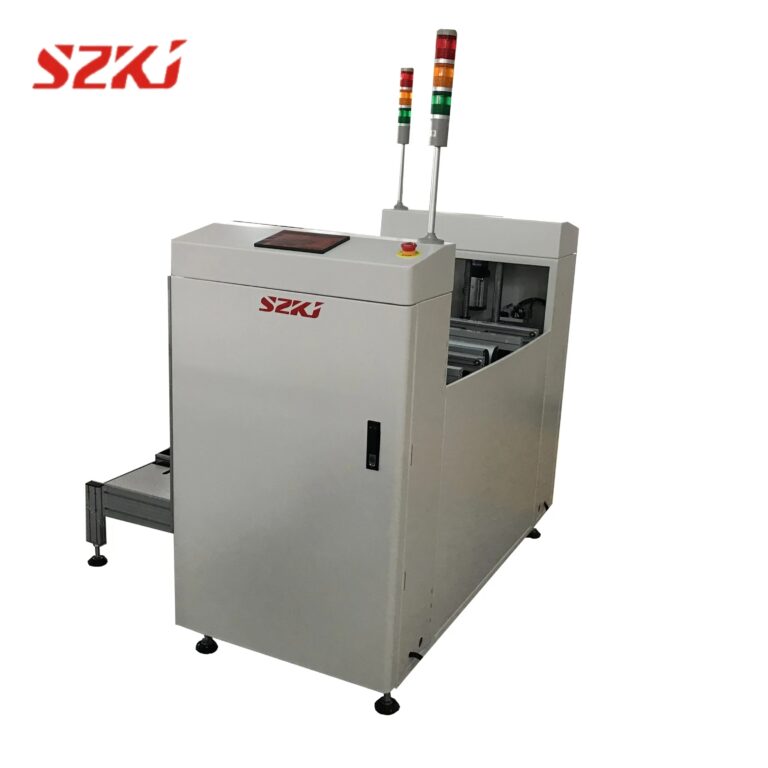
In the world of electronics manufacturing, PCB handling is a critical process that ensures the safe and efficient movement, storage, and assembly of printed circuit boards (PCBs). PCBs serve as the backbone of most electronic devices, connecting different components and facilitating the connections between them. To maintain their integrity and functionality throughout the manufacturing process, PCB handling equipment is designed to provide precision and care during every stage.
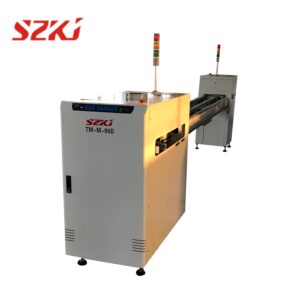
The Role and Applications of PCB Handling Equipment
PCB handling equipment plays a vital role in various stages of PCB manufacturing, including transport, inspection, assembly, and testing. These systems are used to transport PCBs from one production phase to another while preventing damage, contamination, or misalignment. The equipment is crucial in high-volume production settings, where PCBs may need to be moved between machines and assembly lines seamlessly.
From small-scale electronic components to large-scale industrial electronics, the applications of PCB handling equipment are wide-ranging. The equipment can be found in industries such as telecommunications, automotive, medical devices, and consumer electronics. In each of these fields, ensuring that PCBs are handled with care is essential to maintaining the performance and reliability of the final product.
How PCB Handling Equipment Works
The working principle of PCB handling equipment is centered around precision, safety, and efficiency. Some systems are also equipped with sensors for automated inspection, which ensures that the PCBs are free of defects before moving on to the next phase of production.
PCB handling systems often use vacuum grippers, mechanical arms, or other specialized gripping technologies to lift and transfer PCBs without causing any mechanical stress. These methods help prevent bending, warping, or component displacement that could occur if the PCB were handled manually or improperly.
In automated systems, the use of conveyors helps maintain a constant flow of PCBs across different workstations, while robotic arms or gantries facilitate more intricate operations such as loading or unloading components onto the boards. Additionally, many PCB handling systems include cleaning stations or anti-static features to protect sensitive electronics from damage caused by static electricity or contaminants.
Uses and Benefits of PCB Handling Equipment
The primary purpose of PCB handling equipment is to streamline the production process and enhance the quality of electronic products. With automated handling systems, manufacturers can reduce human error, improve efficiency, and minimize the chances of damaging PCBs. This results in a smoother production flow and can help reduce downtime caused by equipment malfunctions or manual handling mistakes.
Another benefit of PCB handling equipment is its role in improving safety in the manufacturing environment. As PCBs are often small and fragile, they can be easily damaged if mishandled. Automated handling reduces the physical strain on operators and minimizes the risk of injuries caused by repetitive motions or improper lifting techniques. Furthermore, the use of advanced handling technology helps ensure that delicate components are safely transported and stored, preventing potential damage that could affect the performance of the final product.
Conclusion
In conclusion, PCB handling equipment is an indispensable part of the PCB manufacturing process. It plays a key role in ensuring the safe transportation and handling of PCBs throughout their production lifecycle. Whether it is small-scale or large-scale production, SZKJ can provide high-quality PCB products. Contact us Today!