
In contemporary electronic device production, SMT peripheral equipment is an essential component in ensuring the optimal functionality of the pick and place machines and supporting devices. Nevertheless, in the course of production, several common operational issues may be experienced. It is vital to be aware of these problems and work towards implementing solutions in order to optimize production efficiency and quality. This essay discusses five common issues and their solutions.

1. Unstable Material Supply
In the production of SMT, the reliability of component supply has a direct influence on SMT peripheral equipment. Unreliable component supply can be caused by irregular component feeding, tray misplacement, or high component usage rates. This can result in production stoppages, inconsistent equipment operation, or misplacement of components.
Solutions:
- Plan for the material inventory and maintain a safe stock level.
- Use buffer-feeding systems to mitigate the effects of changes in supplies.
- Inspect feeders and trays on a regular basis to guarantee a smooth flow of material.
- Train operating crews to follow standardized procedures for replenishing materials.
2. Temperature Extremes Affecting Performance
It should be noted that SMT peripheral equipment in an SMT process is affected by temperature and humidity. High temperatures can cause a reduction in suction power in nozzles, sticking or deformation of components, whereas low temperatures can cause pneumatic systems and sensor responses to be slower, thus affecting placement accuracy.
Solutions:
- Control temperature and humidity conditions during production.
- Use air conditioning, heaters, and fans to control local conditions.
- Install temperature and humidity sensors at important workstations for real-time adjustment.
- Conduct more frequent equipment inspections during extreme weather periods.
3. Inconsistent Component Pick Accuracy
Differences in the size, shape, or material of components used in SMT peripheral equipment might cause deviations in the pick operation. If there isn’t adequate contact between the nozzles and the components, or if there isn’t stable air pressure or correct placement angles, misalignment might occur.
Solutions:
- Verify component specifications before production.
- Adjust nozzle height, air pressure, and pick speed according to the component.
- Calibrate SMT peripheral equipmentregularly to improve pick accuracy.
- Add inline inspection devices for high-precision components to correct deviations in real time.
4. Production Line Synchronization Problems
Unsynchronized production lines involving SMT peripheral equipment may lead to blockages, idle time, or intermittent stops. If the pick-and-place machine, printer, or reflow oven is operating at different speeds, material may accumulate, or machines may run idle, reducing production efficiency.
Solutions:
- Use unified control systems or production rhythm management software for synchronization.
- Conduct pre-production trial runs to optimize equipment speed and production rhythm.
- Regularly check the line balance to ensure smooth material flow.
- Install sensors at key locations for automatic rhythm adjustment.
5. Pneumatic System Problems Affecting Stability
Pneumatic systems are common in many SMT peripheral equipment devices for accurate component placement and feeding. When air pressure fluctuates, or pneumatic parts such as valves, hoses, or regulators deteriorate, inconsistent placement force, misalignment, or component omissions may occur. Although not related to electronic control or materials, pneumatic instability is a frequent cause of defects.
Solutions:
- Inspect and replace worn-out pneumatic components such as hoses, valves, and regulators.
- Implement a preventive maintenance program for the pneumatic system.
- Use sensors or alarms to detect pressure changes or abnormal operation.
6. Preventive Measures and Best Practices
To minimize common issues in SMT peripheral equipment, manufacturers can implement the following:
- Pre-production Checklists: Verify material status, nozzle and sensor functionality, and environmental conditions.
- Optimized Line Layout: Minimize material transport and waiting time while maintaining a smooth production rhythm.
- Preventive Maintenance Plans: Regularly clean, calibrate, and replace worn components.
- Data Monitoring Systems: Monitor equipment performance in real time and detect anomalies early.
Conclusion
SMT peripheral equipment is a major factor in the efficiency of electronic production lines. Manufacturers can ensure the optimal functioning of SMT peripherals as well as reduce risks in production by taking into account challenges such as material supply, temperature control, pick accuracy, line synchronization, and pneumatic stability. Choosing the right SMT peripherals not only helps in the optimal functioning of SMT production lines but also helps in meeting the increasing production demands.
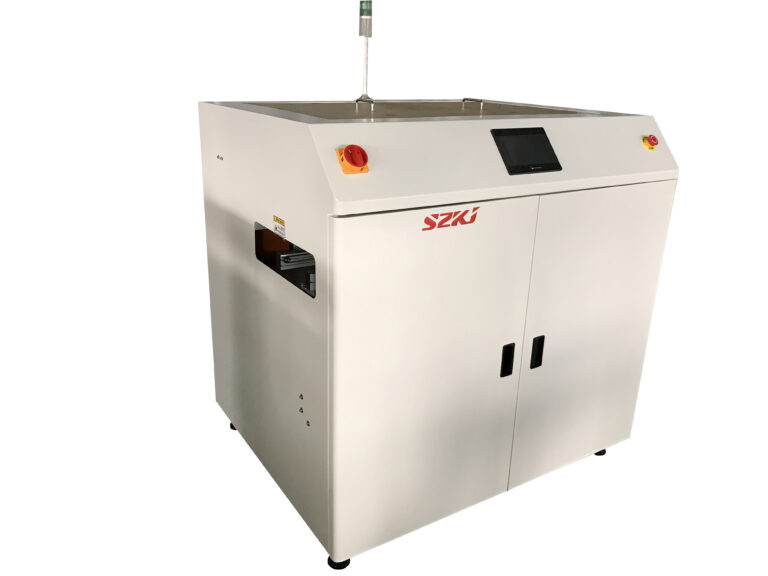
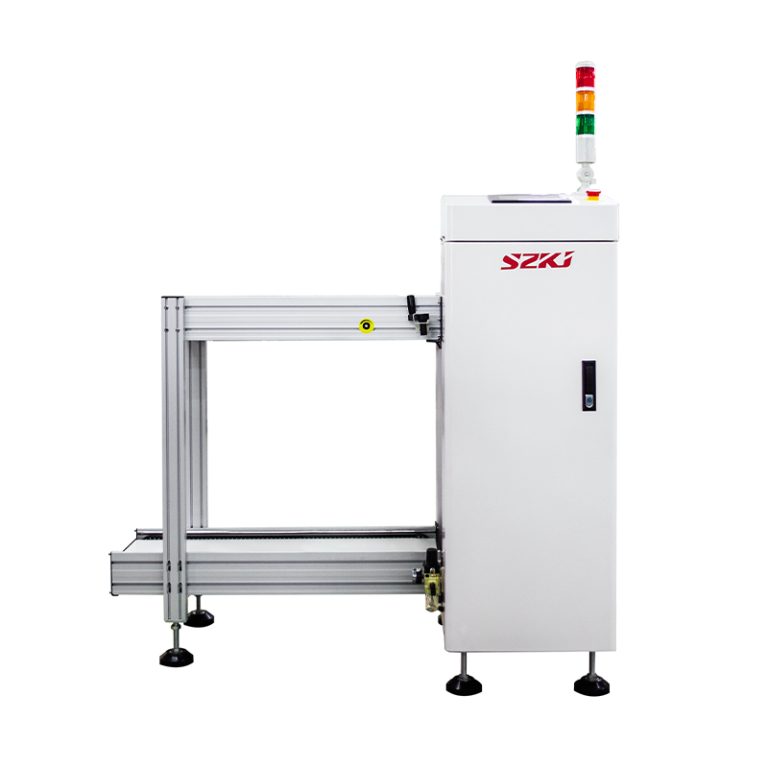
If one is looking for reliable SMT peripheral equipment with space-saving capabilities to improve the manufacturing process, SZKJ offers various customized solutions offered. One may please contact us for further details.

-768x768.jpg)